Why African manga resonates strongly with the diaspora
Intro
African manga is beginning to find its place among a very specific audience: young people from the diaspora. This trend is quite understandable when you look at their environment. On the one hand, they grow up with manga. On the other, they are immersed in African culture, passed down through their families.
When these two worlds collide in a single story, the appeal is almost instantaneous.
A generation raised on manga
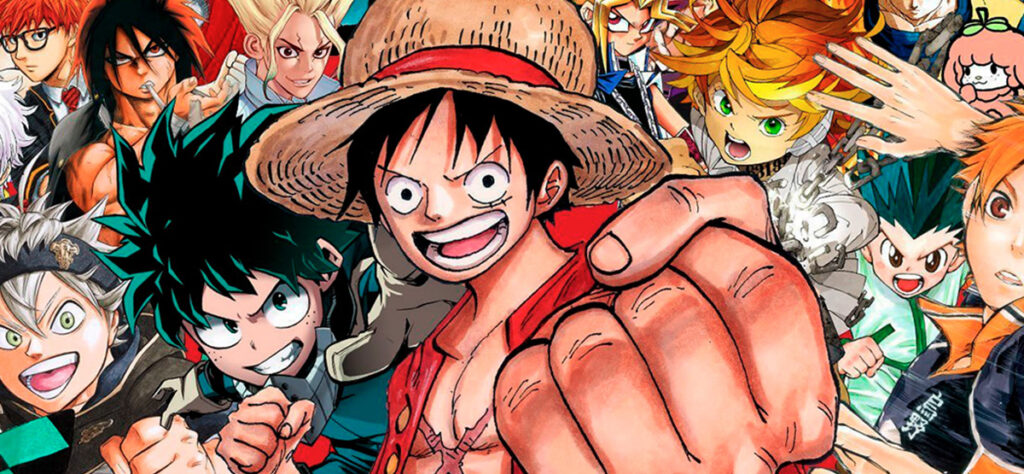
Today, many children and teenagers have grown up with manga. Series like Naruto, Dragon Ball, and Attack on Titan have been part of their daily lives for years.
This format has established its own conventions: memorable characters, dynamic battles, character arcs, and rich worlds. Over time, these elements have become a point of reference for an entire generation.
In France, this influence is everywhere. In fact, after the Japanese, the French are the world’s biggest consumers of manga. That’s why manga has become a fixture in bookstores, in conversations, and in cultural references.
A diaspora with a strong presence
Similarly, the African diaspora is present all over the world. France, for example, is home to one of the largest African diasporas in Europe. That is why, in many cities, children grow up with multiple cultural influences at the same time.
This trend makes perfect sense when you look at their environment. On one hand, they grow up with manga. On the other, they are shaped by the African culture passed down by their families.
As a result, when these two worlds come together in a single story, interest is sparked almost instantly.
The need for representation in fiction
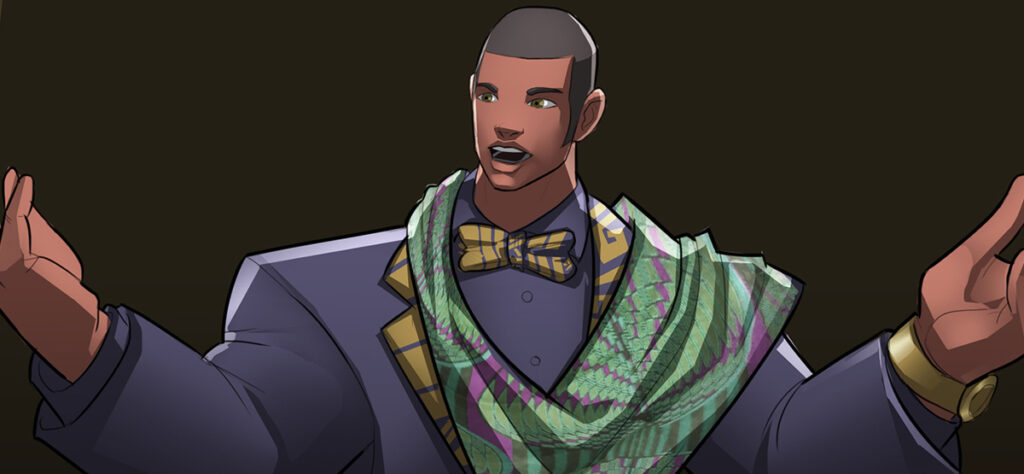
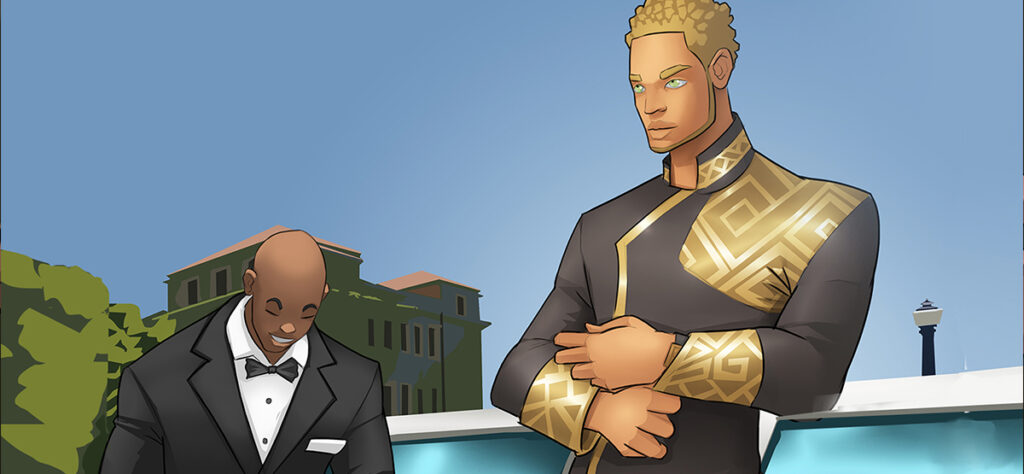
When a young person discovers a world that speaks directly to them, the connection is immediate. They see characters who look like them, familiar names, and cultural references they recognize effortlessly.
African manga is moving in this direction. It draws on conventions that young people already enjoy, while incorporating elements from African culture.
For parents, it’s also a way to encourage their children to read and to guide them in their reading without disrupting their routines.
A bridge between different cultures
This type of content bridges the gap between different influences. On one hand, there’s manga, which is already well-established. On the other, there’s African culture, which brings its own stories, codes, and references.
This blend helps some young people better understand their own identity without having to choose between the two. They can continue to enjoy what they love while discovering stories that resonate with them on a more personal level.
Muntu Warriors in this dynamic
This is the concept behind Muntu Warriors.
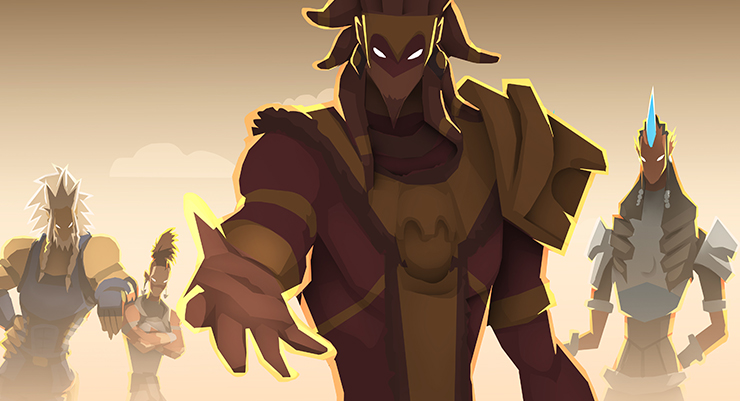
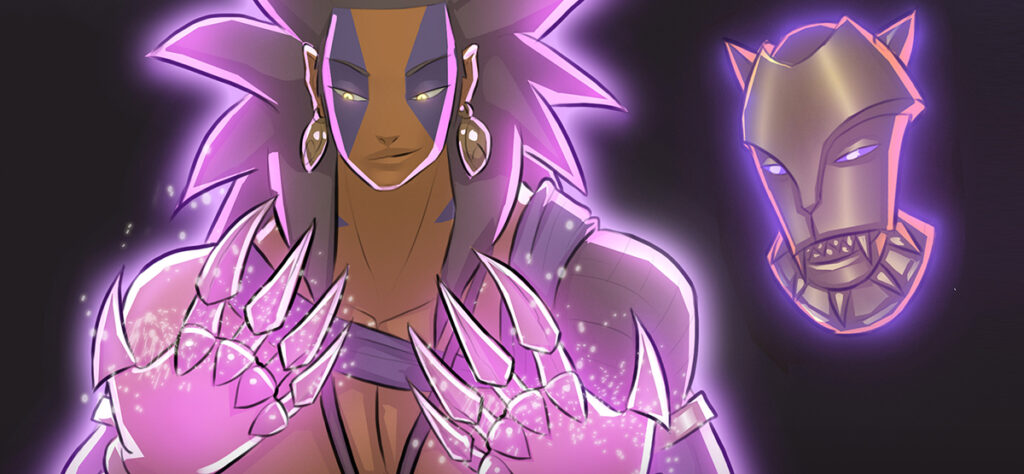
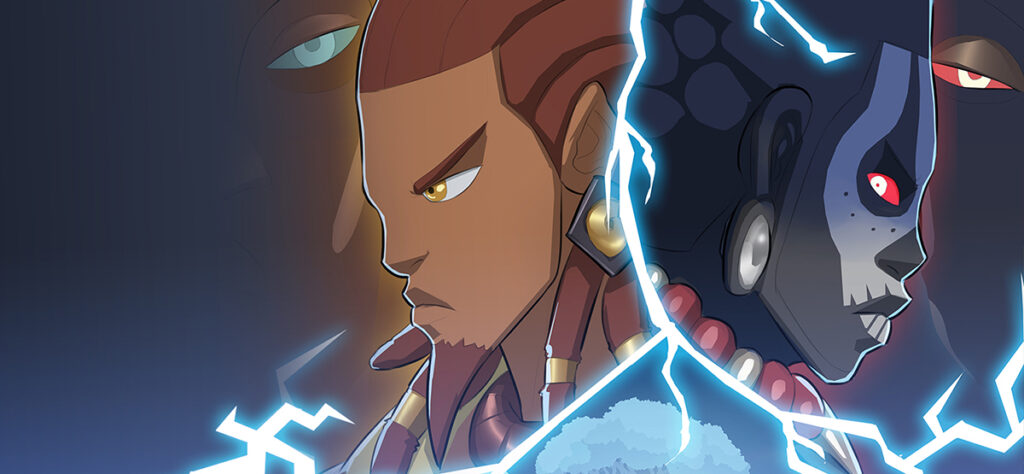
The universe draws on manga conventions, featuring a dynamic pace, battles, and character development. At the same time, it incorporates elements inspired by African culture to build its own world.
For young readers, it’s easy to get into. The world feels familiar in form but different in content. For parents, it offers an accessible gateway to a story that blends entertainment with cultural references.
If you’d like to introduce your children to an African manga, Muntu Warriors offers a fully developed world, with several volumes available and an ongoing story.
African manga is gradually finding its place within the diaspora because it reflects a reality that is already there. Young readers have grown up with certain cultural norms, while developing within rich and diverse cultural environments.
When these elements come together in a single work, the connection is made naturally. And as these projects evolve, they open up new possibilities for both creators and readers.
Want a taste of Muntu Warriors first? By subscribing, you will get a FREE Sample in PDF of the comic books of Muntu Warriors. And you will be informed about all our latest news and you will get some of our articles about African and Black culture.
The future needs us to fight for it. Join the fight!





 English
  French