Creating an African manga on your own
Intro
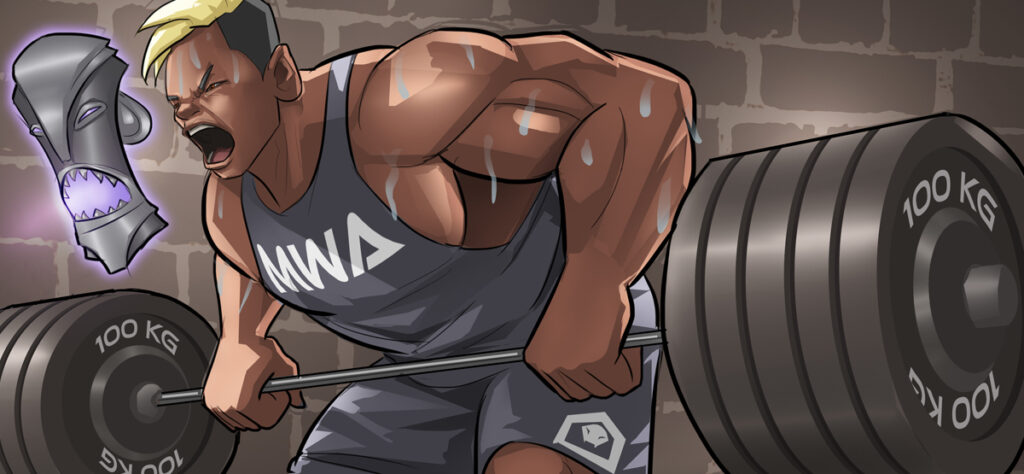
Embarking on an African manga project as a solo artist means accepting a simple reality: there’s no one behind you to catch mistakes, pick up the pace, or take over when you hit a wall. Because everything rests on a single person: the writing, the art, the decisions, the artistic direction, and the production.
It might seem overwhelming at first. And yet, that’s often how the most original worlds take shape.
Manage a project from start to finish
When you work alone, every step takes time. The story moves at whatever pace you set for it. The artwork depends on the energy of the moment. And there’s no one to handle the unexpected. But on the other hand, there’s total freedom.
Decisions don’t go through a committee, and ideas aren’t filtered. The world evolves directly between the imagination and the page.
This direct connection changes a lot of things. The project becomes more coherent, more organic, because it’s driven by a single vision.
Find your own rhythm
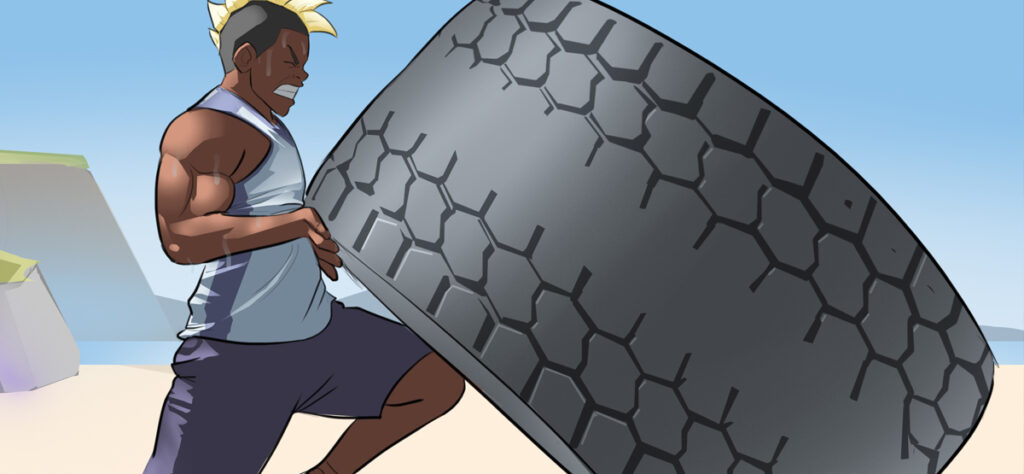
Creating an African comic or manga on your own is more like a marathon than a sprint. The deadlines and budgets are nothing like those of a studio or a large team. And you have to learn to keep moving forward without constantly comparing yourself to others.
Some days are productive, others less so. Sometimes, a single page takes several days. Sometimes, an idea takes time to come together.
Over time, you find a steady rhythm that works. And that’s what allows the project to endure.
Working with the resources at hand
When you’re on your own, you don’t necessarily have access to everything: equipment, time, resources… everything is limited. And that forces you to make choices.
That’s why you have to learn to simplify, prioritize, and focus on what’s essential. In the end, this often results in a style that’s more direct, more consistent, more readable, and more effective.
Many African manga and comic book projects are built this way today. With limited resources, but a clear direction.
Lasting over time
It’s easy to get started. Because your head is full of ideas, aspirations, and inspiration. And above all, your energy is still fresh. The hardest part is maintaining that same enthusiasm over time. And during the tough times.
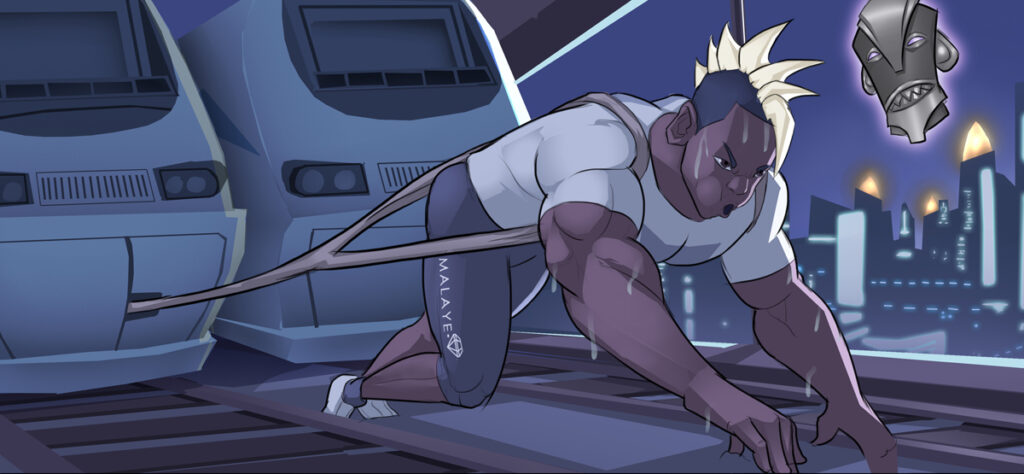
A project like an African manga takes time. Sometimes several years. And during that time, you have to stay consistent, even when results aren’t immediate.
That’s when many give up. After working hard for a long time without seeing results. When the signs of trouble pile up, some prefer to quit to play it safe.
Strangely enough, creating an African manga is a lot like marriage. Many promise to stick together for better or for worse. But as soon as the worst rears its head, some suddenly ask for a divorce.
Projects that last follow a different logic; that of married couples who stand the test of time. They got married knowing that it wouldn’t be easy. That certain phases would be tough. But they stay together anyway.
That’s the kind of mindset you need to maintain when building a project. Hanging in there, moving forward, even slowly, that’s often where it all comes down to.
But are we really alone?
Creating an African manga on your own gives you the feeling that you’re carrying the whole weight on your shoulders. And in reality, a large part of the work does indeed fall on a single person. However, when you take a step back, the picture looks different.
There’s family, loved ones, and those who lend a hand, offer advice, or simply provide support at just the right moment. There are also encounters and connections, sometimes unexpected, that open doors or break through a deadlock.
Over time, you also discover supportive organizations. Training programs, entrepreneur networks, and initiatives like EDLV, which help you better organize your project, grow your business, and break out of isolation.
And then there’s everything else: grants, competitions, and opportunities that arise once you start showcasing your work.
But above all, and most importantly, there are the readers. Those who buy, who support, who follow, who share. Those who talk about it with others. Those who look forward to what comes next.
That’s often when the project takes on a whole new dimension. You start out alone, but you don’t stay alone for very long.

Muntu Warriors in this approach
I created Muntu Warriors in this context.
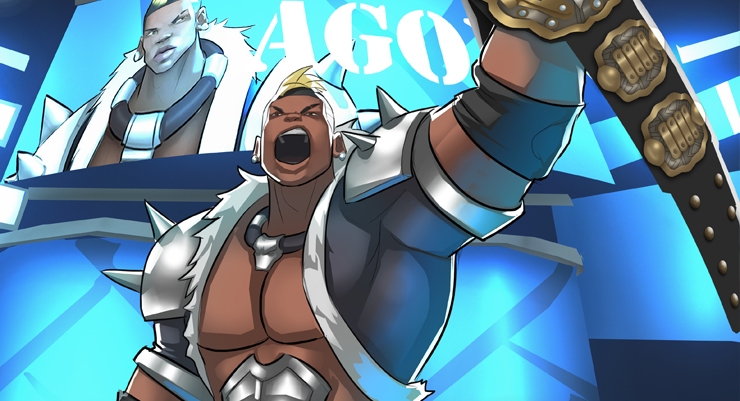
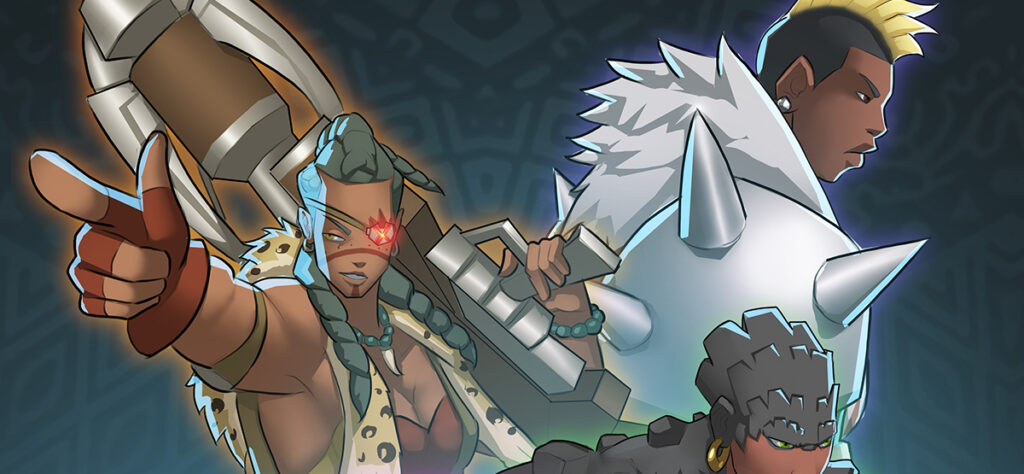
It was a solo project, from the artwork to the writing, driven by a clear goal: to create a fictional universe inspired by African culture, one that could span multiple volumes.
The blend of African manga, African comics, and Black superheroes took shape gradually, with adjustments, mistakes, and evolutions. And believe me: nothing happened overnight.
If you want to see what it looks like in action, just dive into the world of Muntu Warriors. The adventure has already begun, and it continues to unfold.
Conclusion
Working on your own takes time, patience, and a certain amount of discipline. The process is slower, and sometimes more demanding, but it allows you to create something deeply personal.
Today, more and more creators are venturing into African manga or African comics on their own. Each has their own approach, their own pace, and their own universe.
And little by little, these projects are starting to gain momentum.
Want to follow the evolution of African Manga?
Want a taste of Muntu Warriors first? By subscribing, you will get a FREE Sample in PDF of the comic books of Muntu Warriors. And you will be informed about all our latest news and you will get some of our articles about African and Black culture.