African Manga and Identity: How to tell Stories Without Stereotypes?
Intro
African manga is booming. Every year, new creators introduce their own worlds, heroes, and stories.
Yet one question keeps coming up: what should an African manga look like?
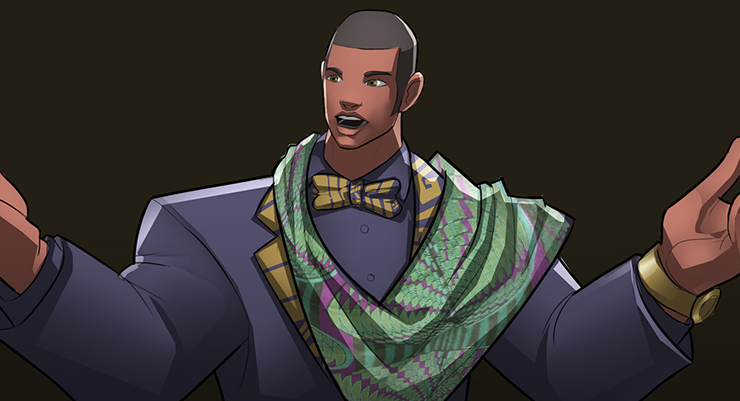
As the author of Muntu Warriors, this question has been on my mind for years. In fact, certain discussions with the public have helped me understand just how surprising expectations surrounding African manga can be.
African Manga and Stereotypes
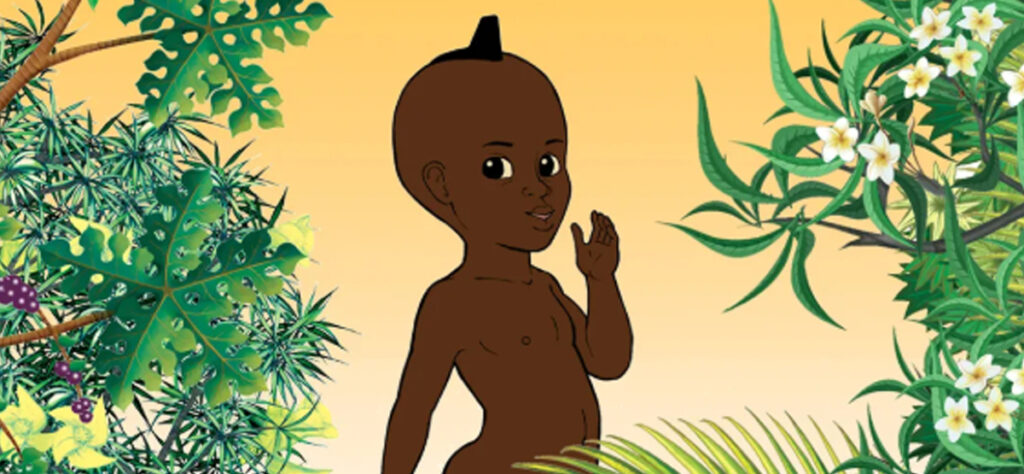
At a trade show, someone came up to me at my booth. After discovering Muntu Warriors, he told me that, in his opinion, what I do isn’t African. And that an African manga should look like Kirikou.
I’ll be honest: that comment frustrated me.
Because at that moment, I felt like the entire richness of African cultures was reduced to a single image: a Black baby running through a village.
Mind you, Kirikou is an important work. Its success is well-deserved, and its impact on animation remains enormous. In fact, many people have discovered certain facets of Africa thanks to this film.
However, Africa is not limited to that.
After all, the continent is teeming with kingdoms, legends, mythologies, historical figures, conflicts, mysteries, and extraordinary adventures.
So why couldn’t an African manga tell a fantasy epic? A science fiction story? A superhero adventure? A thriller? A mystery?
Ultimately, African manga deserves just as much diversity as Japanese manga or American comics.
African manga and blackwashing
In addition, another trend has gained popularity in recent years.
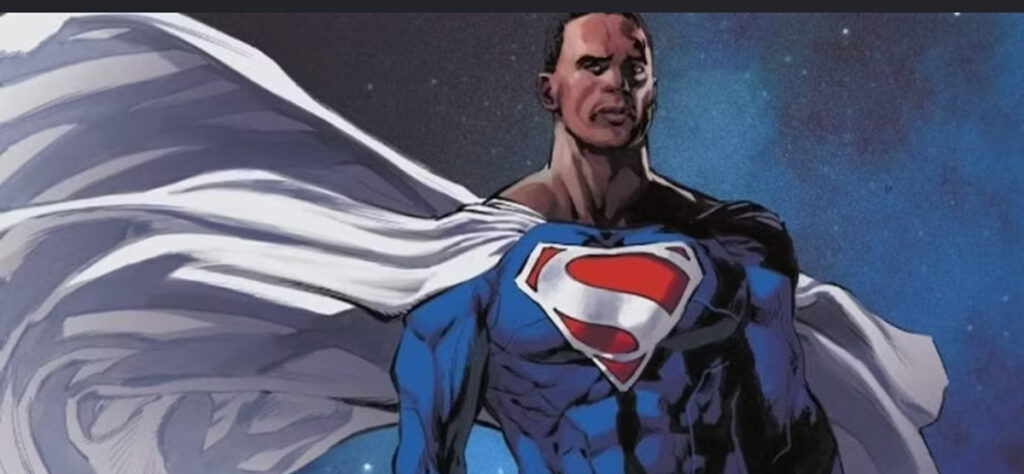
Many fans enjoy imagining Black versions of famous characters. And honestly, I completely understand this enthusiasm. After all, everyone has wondered at some point what a Black Batman or a Black Spider-Man might look like.
Moreover, this approach has allowed many people to better identify with certain works.
However, African manga also opens another door: creating new, original heroes. Heroes capable of living their own adventures, building their own worlds, and embodying their own identities.
After all, readers are already familiar with Batman, Spider-Man, or Superman. Today, they can also discover entirely new characters, created from the ground up to tell different stories.
And that is probably one of the greatest opportunities offered by African manga.
The In-Between of African Manga
Creating an African manga often means navigating a range of influences.
On the one hand, some readers believe that a work inspired by Japanese manga is automatically a manga. On the other hand, some feel that a work inspired by African cultures should adhere to very specific cultural codes.
In between, many creators simply develop their own style.
After all, an author can love Dragon Ball, Naruto, or Berserk while also being interested in Akan legends, Malian folktales, or Congolese mythology.
In fact, it is often from this intersection of multiple influences that the most original projects emerge.
In fact, this situation sometimes creates an amusing paradox. For some people, a work will always be too Japanese to represent Africa. For others, it will always be too African to be considered a manga.
Yet, it is precisely in this middle ground that African manga builds its identity.
The most important thing about an African manga
Ultimately, readers look for the same things in all works: memorable characters, a story that captivates them, and memorable scenes.
Basically, they want a world that makes them want to come back.
Of course, culture plays an important role. Likewise, visual identity immediately grabs attention. However, it is often emotions that create the strongest connection with the audience.
Readers turn the pages because they want to know what happens next.
That’s why the characters, the plot, and the quality of the storytelling remain the foundation of any great work.
Muntu Warriors in this dynamic
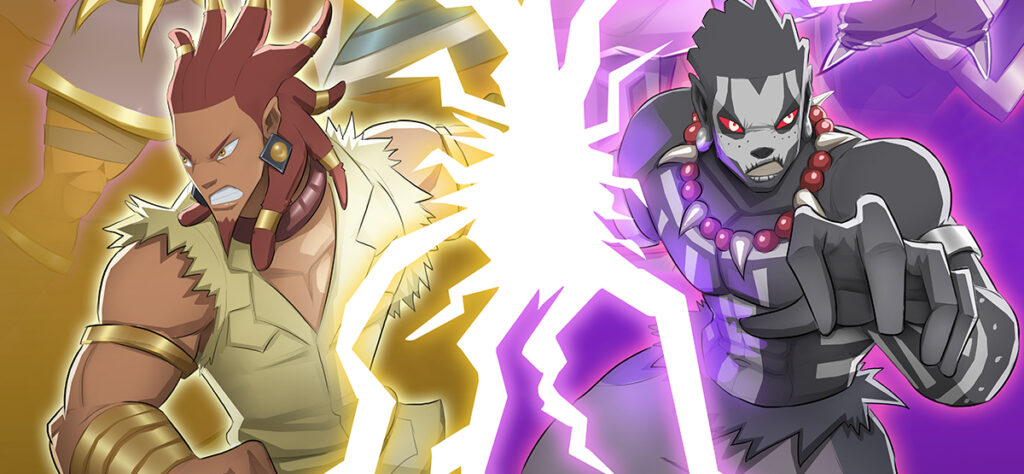
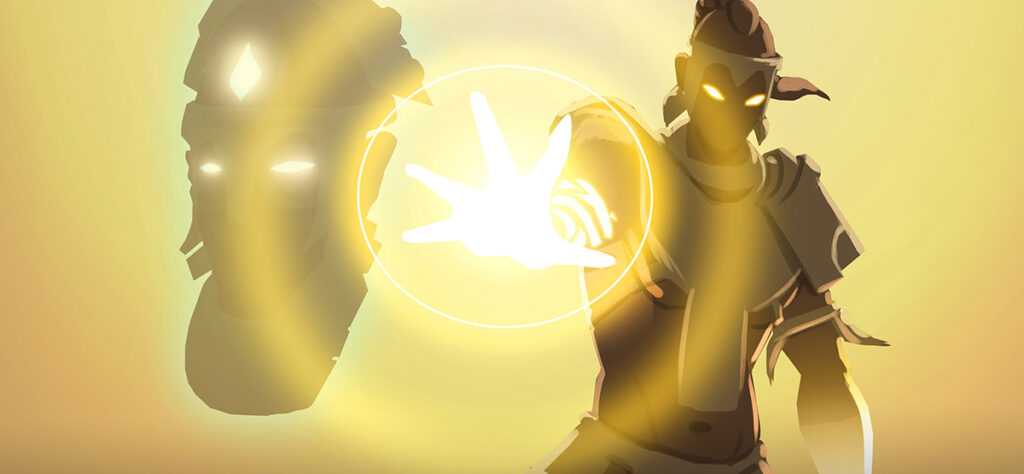
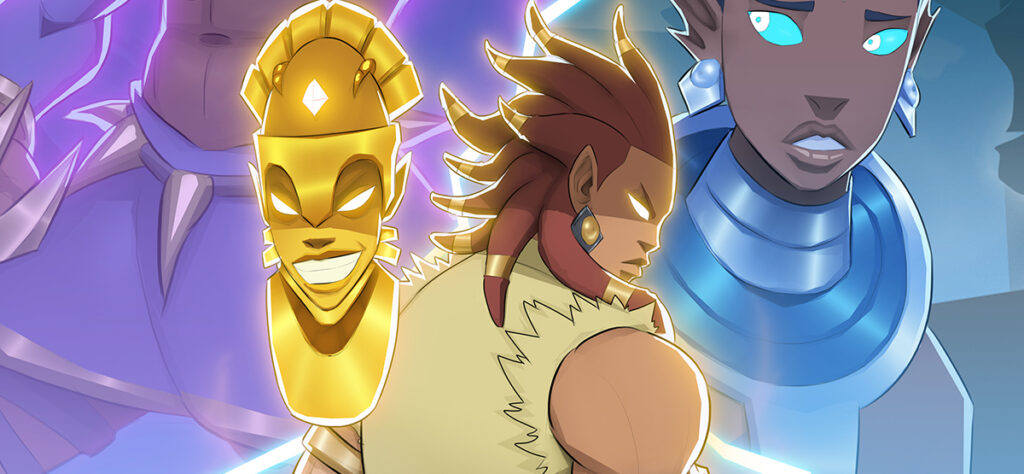
With Muntu Warriors, my goal is to create a superhero adventure inspired by African and Afro-descendant cultures.
To do this, I blend various influences from manga, comics, and numerous African traditions to build an original universe filled with heroes, mythological creatures, and kingdoms inspired by the African continent.
My ambition is simple: to tell great stories with memorable characters.
If you’d like to discover this vision of African manga, I invite you to explore the various volumes of Muntu Warriors and join the adventure.
Each creator brings their own vision, influences, and stories. Some look to the past. Others look to the future. Still others blend different worlds to create something new.
And ultimately, that is probably where its greatest strength lies.
Because a work’s identity can never be reduced to a stereotype.
It is built through its characters, its world, and the emotions it leaves readers with long after the final page.
Want a taste of Muntu Warriors first? By subscribing, you will get a FREE Sample in PDF of the comic books of Muntu Warriors. And you will be informed about all our latest news and you will get some of our articles about African and Black culture.
The future needs us to fight for it. Join the fight!





 English
  French