African comics and African manga: what is the difference?
Intro
When we talk about African comics or African manga, many people think they are the same thing. After all, they are both comics created by African artists… right?
In reality, there is a real difference. Not only in the artwork, but also in the way the stories are told.
African comics: heir to Franco-Belgian comics
African comics often follow the tradition of European comics, particularly Franco-Belgian comics. They therefore generally feature:
-Color albums
-A format of around 40 to 60 pages
-A classic left-to-right reading direction
-A graphic style similar to European comics
Historically, this is easily explained: many African countries have been influenced by French or Belgian publishing culture. Magazines and publishing houses have therefore naturally adopted this format.
African manga: the Japanese influence
African manga, on the other hand, draws its inspiration directly from Japanese manga. As such, it often features:
-black and white drawings
-a graphic style similar to manga
-chapters that follow on from one another like a series
-sometimes a dynamic reading style inspired by manga
But be careful: this does not mean that it is a copy. African manga can use manga conventions while telling stories rooted in African culture. For example, African mythology, local traditions, and heroes inspired by the continent. It is a blend of Japanese form and African content.
An increasingly blurred line
Today, the line between African comics and African manga is becoming increasingly blurred. Many creators are mixing influences. We can find:
African comics with a manga style
African manga in color
Hybrid formats between comics and manga
The new generations of African artists have grown up with several influences: American comics, European comics, and Japanese manga. As a result, styles blend naturally.
The most important thing is the story being told. Both African manga and African comics can highlight African culture, create original heroes, and tell unique adventures.
The format is just a tool. What really matters is the creator’s vision.
What about Muntu Warriors?
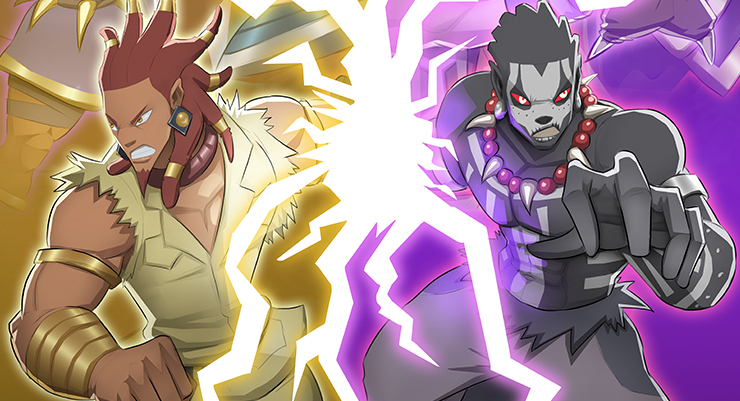
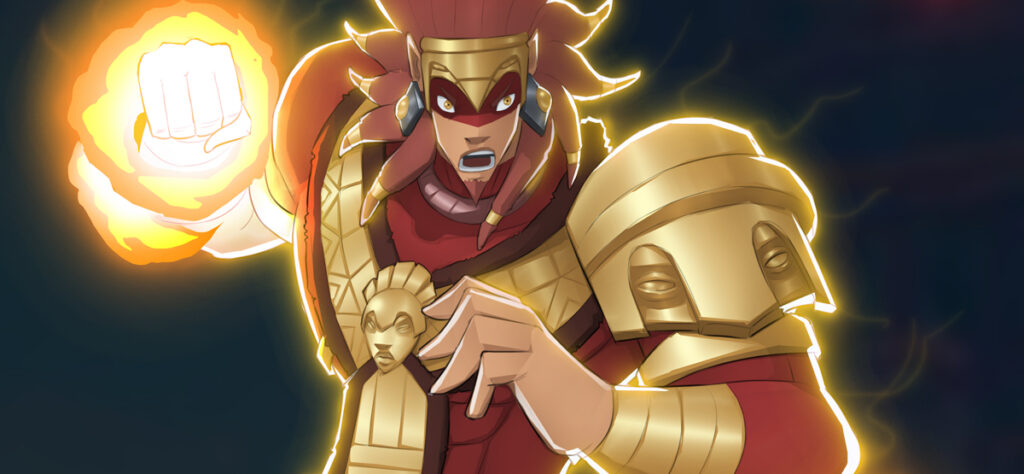
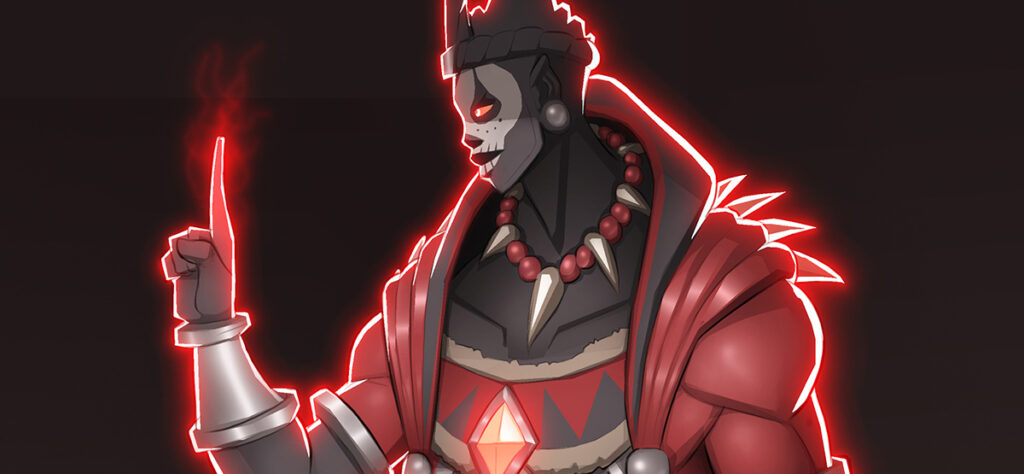
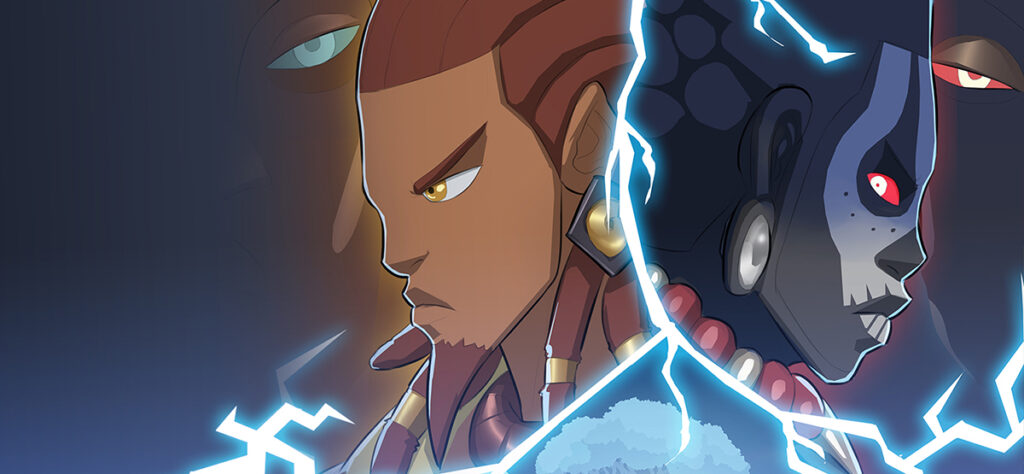
The question often arises: Is Muntu Warriors an African comic book or an African manga? The answer is simple: it’s a hybrid of the two.
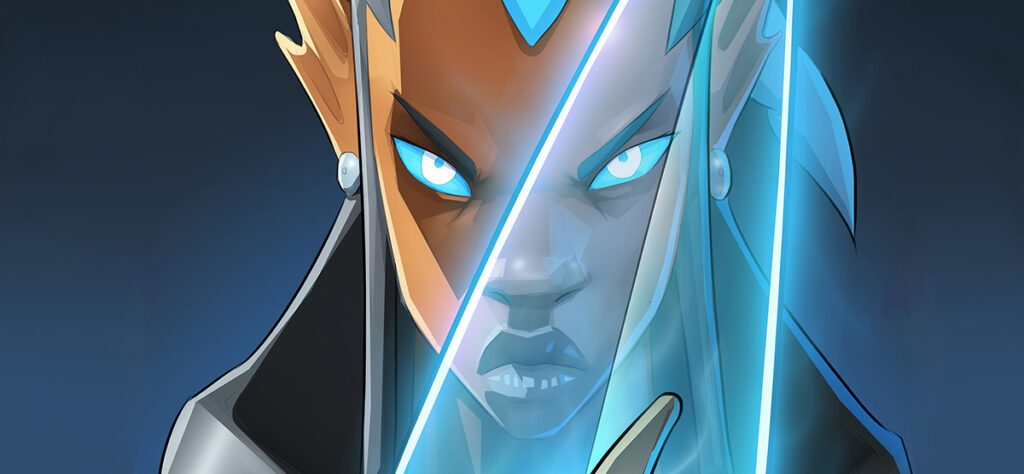
Graphically, Muntu Warriors draws heavily on manga.
Dynamic action scenes
Highly expressive characters
Fast-paced, energetic visual storytelling
At the same time, it draws elements of classic comics
Pages are in color
It is read from left to right
The albums are published in a format similar to comics
In fact, it’s almost amusing:
In A4 format, Muntu Warriors clearly resembles a comic book. And in A5 format, the book immediately resembles a manga.
Ultimately, Muntu Warriors sits between two worlds.
It is this blend that allows it to tell superhero stories inspired by African cultures, while maintaining an energy similar to action manga.
If this appeals to you and you want to discover a superhero universe inspired by African cultures, you can explore the Muntu Warriors series and immerse yourself in the adventures of the world of Muntu.
Several volumes are already available and the universe continues to expand.
The difference between African comics and African manga lies mainly in artistic influence: African comics are a Franco-Belgian legacy, while African manga is Japanese-inspired.
But today, these two worlds are increasingly blending together. And it is probably this blend that will define the next generation of African creators.
Want a taste of Muntu Warriors first? By subscribing, you will get a FREE Sample in PDF of the comic books of Muntu Warriors. And you will be informed about all our latest news and you will get some of our articles about African and Black culture.
The future needs us to fight for it. Join the fight!





 English
  French